Step 1: find a calorie target you can live with
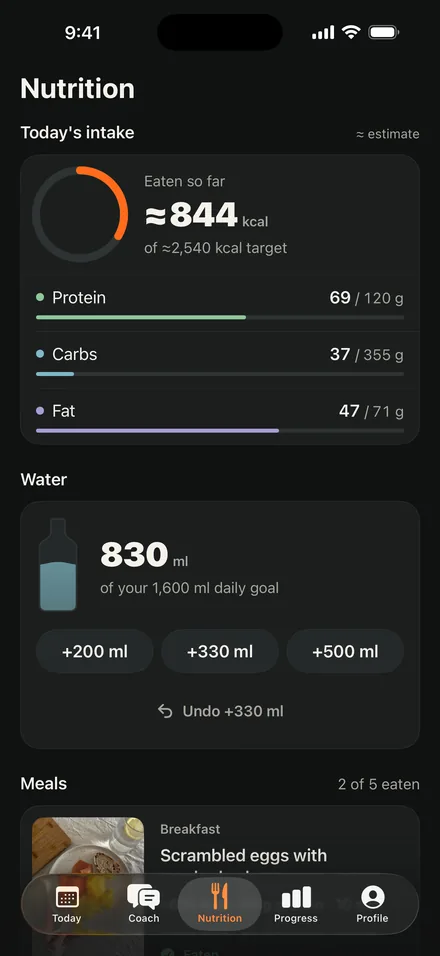
Weight loss comes down to eating somewhat less energy than you burn over time. Start by estimating your maintenance calories, the amount that keeps your weight stable. Online calculators and apps give a reasonable estimate based on your age, height, weight and activity.
From there, a moderate deficit is usually the safest bet. Many people do well eating roughly 300 to 500 calories a day below maintenance. Aggressive cuts tend to backfire: hunger climbs, energy drops, workouts suffer and the weight often comes back. Slow and steady is not just a cliché here; it's what most people can actually sustain.
Treat any number as an estimate. Watch your weekly average weight for three or four weeks and adjust by small steps if nothing moves.
Step 2: build every meal around protein
Protein keeps you full, and it helps you hold on to muscle while you're eating less, especially if you also lift weights. A practical rule: put a palm-sized portion of protein on every plate.
Good options include:
- Eggs, Greek yogurt, cottage cheese and skyr
- Chicken, turkey, lean beef and fish
- Tofu, tempeh, lentils, beans and chickpeas
Fill the rest of the plate with vegetables, a portion of carbs that fits your target (rice, potatoes, oats, whole grain bread, fruit) and a small amount of fat like olive oil, nuts or avocado.
Step 3: plan a simple week
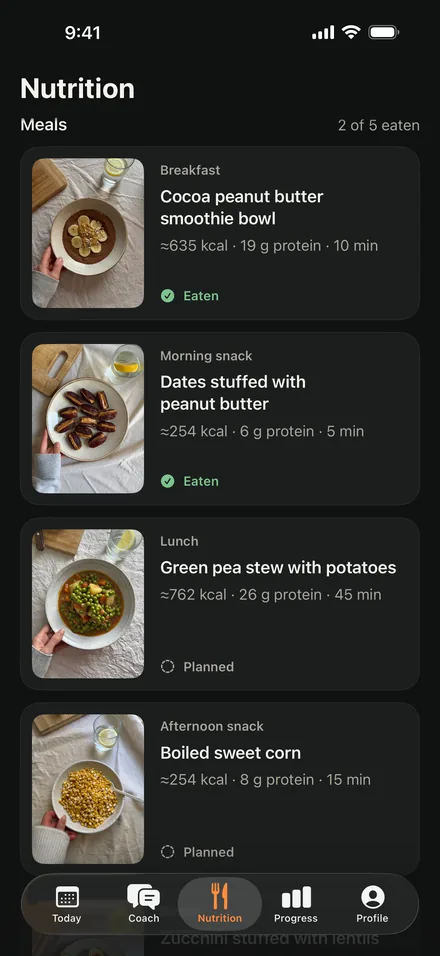
A weight loss meal plan doesn't need 21 different recipes. Most people do better with a short rotation.
- Pick two or three breakfasts and alternate them. For example: oatmeal with yogurt and berries, an egg scramble with toast, or a protein smoothie.
- Cook lunch in batches. One tray of chicken, roasted vegetables and rice can cover two or three days.
- Keep dinners flexible. Have a few go-to meals you can make in 20 minutes, such as salmon with potatoes and salad, or a bean chili.
- Plan your snacks. A piece of fruit, a yogurt or a handful of nuts beats whatever is in the vending machine at 4 p.m.
Write the week down on Sunday and shop from that list. Planning is what stops "I'll figure it out later" from turning into takeout.
Mistakes that stall progress
- Drinking your calories. Sodas, juices, fancy coffees and alcohol add up fast and barely fill you up.
- Cutting whole food groups for no reason. Unless you have a medical need, you don't have to quit carbs or fats. Portions matter more.
- Weekend free-for-alls. Two days of eating without any structure can cancel out the deficit you built during the week.
- Not drinking enough water. Thirst is easy to confuse with hunger. Keep a bottle nearby.
- Expecting a straight line. Body weight moves up and down day to day. Judge the trend, not one morning on the scale.